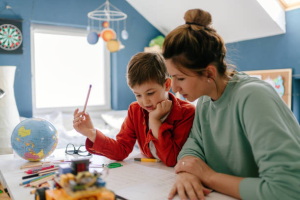
Home education is growing quickly across the UKand many families now want more than worksheets at the kitchen table. In England the Department for Education found a sharp rise in known elective home education over recent years with local authority counts increasing strongly year on year in the early 2020s (Department for Education, 2023). In Blackburn with Darwen that means more parents asking the same question: what are the best home education classes Blackburn has to offer right nowand how do you choose what truly helps your child.
This guide shares practical ways to find high quality home education classes Blackburn families can trust in 2026. You will learn what to look for in tutors and groups, the most useful class types for different ages, how to build a balanced weekly plan, and common mistakes that waste time and money. You will also get a comparison table you can use immediately when you are shortlisting options.
Why home education classes matter more in 2026?
In 2026 families are navigating a very different education landscape. Children are spending more time on screens, attention spans are under pressure, and many parents want learning that feels calm, social, and hands on. Research has continued to show that regular enrichment and physical activity supports wellbeing and learning, especially when children are working outside formal school settings (Public Health England, 2021).
Home education classes do not replace your role as the main educator. Instead they give you structure and support in the areas that are hard to run at home such as group science, performance, team sports, and peer discussion. They also help children practise skills that matter in life like confidence, turn taking, listening, presenting, and problem solving.
What “best” really means for home educated children?
The best homeschool classes Blackburn families choose are not always the fanciest or most academic. They are the ones that fit your child’s needs and your family rhythm. For many families “best” means small groups, kind adults, clear safeguarding, and learning that leaves children energised rather than overwhelmed.
What types of home education activities Blackburn families can choose from?
When parents search for home education activities Blackburn, they often find a mix of structured classes and informal groups. Both can be valuable. The trick is knowing what each type is best for and how to combine them without overbooking your week.
Core skills support: English, maths, science
These sessions can be brilliant when you want regular practice and a clear route through the basics. Look for classes that use diagnostic assessment gently. A good tutor explains the why, not only the method. If your child has gaps or learning differences, ask how the tutor adapts tasks and tracks progress.
Creative and performance: art, music, drama
Creative classes offer more than a pretty end product. They build fine motor skills, visual thinking, resilience, and confidence. Drama in particular helps children speak clearly, read social cues, and manage nerves. For home educated children Blackburn families often find these classes also provide a safe way to make friends.
Outdoor and practical learning: nature, sports, DT
Outdoor learning supports physical health and mood, and it makes science real. If a provider offers nature study, bushcraft, gardening, or local geography walks, ask how they manage safety and ratios. Sport sessions that focus on skill building rather than competitive pressure can suit a wide range of children.
Life skills and future skills: coding, money skills, enterprise
In 2026 more learning providers are offering coding clubs and entrepreneurial projects. UK workforce reporting continues to highlight the importance of digital skills and problem solving (World Economic Forum, 2023). A good coding class teaches thinking and debugging, not only copying code from a screen.
How to choose educational classes for children Blackburn families can rely on?
Quality varies. Before you commit, take ten minutes to check a few essentials. This is especially important because many home education groups are small businesses or community led. That can be wonderful. It also means you need to ask the right questions.
Safeguarding and professionalism checks
Start with safeguarding because it is non negotiable. Ask who is responsible for safeguarding, what training they have, and how they handle incidents and first aid. For tutors and leaders who work regularly with children, you can ask if they hold an enhanced DBS and whether they have public liability insurance. A good provider will not be offended by sensible questions.
Teaching approach and inclusivity
Ask how the class supports different learning needs. Many home educated children include those who are autistic, anxious, or recovering from school based stress. The best providers use clear routines, calm transitions, and choice within structure. They also avoid shame based behaviour management.
Outcomes you can actually see
Outcomes do not have to mean tests. They can mean a child reading with more ease, speaking up in a group, or finishing a longer project. Ask what progress looks like and how it is shared with parents. If a class promises fast results with no explanation, treat that as a red flag.
Quick comparison table: Which class type fits your child best?
Use this table as a shortlist tool. It works whether you are comparing paid providers, community groups, or co op sessions. You can also print it and score each option after a trial class.
Class type | Best for | What to ask before booking | Watch outs |
|---|---|---|---|
Small group English or maths | Steady progress, closing gaps, building routine | How do you assess starting points and adapt tasks? | Too much worksheet work, not enough explanation |
Hands on science club | Curiosity, practical skills, teamwork | How are experiments supervised and made safe? | Demo only sessions with little child participation |
Drama or speaking club | Confidence, communication, friendships | How do you support shy or anxious children? | Pressure to perform too soon |
Forest school style sessions | Wellbeing, resilience, nature knowledge | What are the ratios and weather plans? | Unclear boundaries or inconsistent routines |
Coding or robotics club | Problem solving, digital literacy, focus | Do children build projects or follow step by step tasks? | Too screen heavy, little real understanding |
Trends and changes affecting learning outside the classroom in 2026
Several shifts are shaping learning outside the classroom right now. These trends affect what is available in Blackburn and what quality looks like.
More hybrid provision and micro groups
Families are choosing micro groups and co ops that mix tutor led teaching with parent support. This often keeps costs lower while still giving children social time. It also means you should ask about responsibility boundaries, safeguarding roles, and what happens if a leader is absent.
AI supported learning, but with stronger parent expectations
Many tutors now use AI tools for planning, differentiation, and practice questions. Used well, this can free up time for real teaching and feedback. Used poorly, it can lead to generic tasks and mistakes. A good provider is transparent about how they use tools and how they check accuracy and bias.
Stronger focus on wellbeing and neurodiversity
Awareness continues to grow around anxiety, autistic burnout, and sensory needs. NHS reporting has highlighted significant demand pressures in children and young people’s mental health services in recent years (NHS England, 2024). In response more providers are offering calmer environments, smaller groups, and sensory friendly approaches. Ask what adjustments are normal rather than treated as special favours.
Common mistakes to avoid when choosing homeschool classes Blackburn
Most families learn these lessons the hard way. You can save time and money by spotting them early and making small changes now.
Mistake one: booking too many classes too quickly
It is tempting to say yes to everything, especially when your child finally finds friends. But too many sessions can reduce learning quality because children arrive tired. Try one new class at a time and keep a simple review note after each session.
Mistake two: choosing based on content, not experience
Parents often ask what a class teaches, but not how it feels. For many children, especially those recovering from stress, the emotional experience comes first. A class with brilliant content but harsh delivery will not help your child grow.
Mistake three: ignoring travel and transition time
Two hours of classes can become half a day once you include travel, parking, snacks, and calming down afterwards. Build a plan that respects your child’s transition needs. Some children need quiet time after group learning before they can do anything else.
Mistake four: not asking for a trial or clear expectations
A trial session helps you see group dynamics and teaching style. Ask what children should bring, how breaks work, and whether parents stay or drop off. Clear expectations reduce anxiety for children and adults.
Conclusion
The best home education classes Blackburn offers are the ones that support your child’s confidence, curiosity, and sense of belonging. In 2026, families are looking for learning that is practical, human, and community centred. If you choose carefully, classes can make home education feel lighter, not harder.
If you would like help choosing the right mix of workshops and community sessions, explore local providers and ask for a trial where possible. If you are near Blackburn and want warm, practical learning that feels fun and achievable, Simple Lessons CIC can help you find a supportive next step for your family.